



The Future of Outdoor Advertising
Outdoor advertising is evolving at an unprecedented pace, driven by technological advancements and changing consumer behaviors. As we look toward 2026, Outdoor Advertising Trends 2026 will likely transform how brands interact with their audiences in public spaces. From digital billboards to data-driven strategies, the future of outdoor advertising promises enhanced targeting and more engaging experiences. In this post, we’ll explore the key outdoor advertising trends you need to know and how they’ll impact your brand visibility, effectiveness, and creative strategies.
The Rise of Digital Billboards in Outdoor Advertising
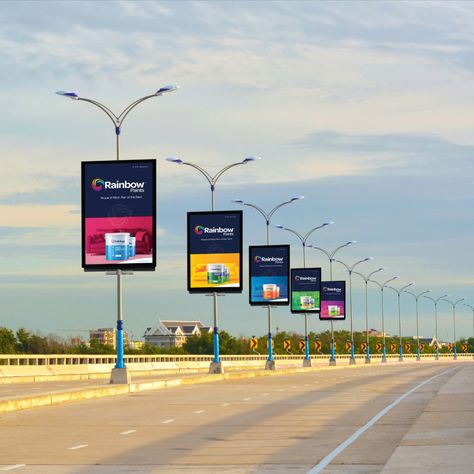
Digital billboards are no longer a novelty; they’re becoming a standard in OOH marketing for brand visibility. With their ability to display dynamic content and change messages in real-time, digital billboards provide advertisers with unmatched flexibility and impact. By 2026, the use of digital billboards is expected to increase significantly, as they offer a variety of advantages:
- Real-time Updates: Digital billboards allow for instant content changes, which makes them ideal for time-sensitive promotions or events.
- Higher Engagement: Studies show that digital billboards capture attention more effectively than static ones, thanks to their motion, bright visuals, and interactive elements.
- Targeted Messaging: These billboards can display different ads at different times of the day, catering to specific audience segments and maximizing engagement.
Example: A coffee brand could display morning ads targeting commuters and switch to evening promotions for night owls. This level of customization ensures that the right message reaches the right people at the right time.

Data-Driven Outdoor Advertising: Precision and Insights
In 2026, data-driven outdoor advertising will be a key trend for advertisers seeking precision and measurable results. By utilizing advanced analytics and audience data, brands will be able to fine-tune their outdoor campaigns, ensuring that each ad placement delivers the highest possible return on investment (ROI).
- Audience Insights: Advanced data collection methods, including mobile location tracking and behavioral analysis, will provide valuable insights into consumer demographics and preferences.
- Personalization at Scale: By integrating data from various sources, such as social media activity and past interactions, advertisers can create highly targeted campaigns that resonate with their audience.
- Performance Metrics: Real-time analytics will help businesses track how well their outdoor campaigns are performing, enabling quick adjustments for better results.
Example: A retail brand could use data to identify high-traffic areas with a concentration of their target audience, ensuring their outdoor ads appear in the most effective locations.
The Continued Effectiveness of Billboards in OOH Marketing
While digital innovation takes center stage, the effectiveness of billboards remains an essential component of OOH marketing for brand visibility. Billboards are a timeless advertising tool, known for their broad reach and impact. Despite the digital shift, traditional billboards continue to offer unique benefits that can’t be replicated by other mediums.
- High Visibility: Billboards, especially those located in high-traffic areas, ensure maximum exposure to a wide audience.
- Brand Recognition: Consistent exposure to your brand’s message through billboards builds recognition over time, helping it stay top-of-mind for consumers.
- Cost-Effectiveness: Compared to digital ads, traditional billboards are often more affordable and offer long-term placement opportunities.
Example: A luxury brand may still choose to use a high-end billboard in a city’s downtown district to reinforce its prestige and attract affluent consumers.
Creative Design in OOH Advertising: A Key to Engagement
As outdoor advertising becomes more competitive, creative design in OOH advertising will play an increasingly important role in capturing attention. Brands will need to stand out through innovative designs that blend aesthetics with functionality. Here’s how creative design will shape the future of OOH marketing:
- Interactive Elements: Billboards and posters featuring QR codes, augmented reality (AR) features, or social media integration will allow consumers to engage directly with the ad.
- Vibrant Visuals: Bold colors, dynamic imagery, and clean typography will help ads grab attention and communicate messages quickly and effectively.
- Experiential Marketing: Some outdoor ads will incorporate elements of experiential marketing, inviting consumers to interact with the physical space in creative ways.
Example: A cosmetics brand might design a billboard with an interactive AR feature that lets passersby virtually try on makeup, creating a memorable experience that drives engagement.
The Integration of Artificial Intelligence in Outdoor Advertising
Artificial intelligence (AI) is becoming a game-changer in Outdoor Advertising Trends 2026. By 2026, AI will help businesses make smarter decisions when it comes to targeting and optimizing outdoor ads. Key uses of AI in outdoor advertising include:
- Dynamic Content Adjustments: AI can analyze real-time data and adjust ad content based on weather, traffic, and audience behavior.
- Predictive Analytics: AI will allow marketers to predict when and where their ads are most likely to have the biggest impact, improving ad placement strategies.
- Enhanced Personalization: AI can deliver hyper-personalized ads based on individual audience behaviors, making outdoor advertising feel more relevant to viewers.
Example: A clothing brand might use AI to adjust the content of their outdoor ads based on real-time weather data, promoting winter coats when the temperature drops.
The Power of Geofencing in Outdoor Advertising
Geofencing is another trend to watch in Outdoor Advertising Trends 2026. This technology uses GPS and RFID to create virtual boundaries around specific locations. When a consumer enters or exits these zones, they trigger location-based ads, offering a personalized and timely message.
- Targeted Offers: Geofencing enables businesses to send promotions and ads to consumers as they pass by a store or specific location.
- Increased Conversion Rates: By targeting customers when they are near a business, geofencing ads can increase the likelihood of a purchase or visit.
- Real-Time Campaign Adjustments: Businesses can monitor geofencing campaigns in real-time, allowing them to adjust offers based on customer behavior.
Example: A restaurant chain could use geofencing to send a lunch discount to nearby consumers, encouraging them to stop by for a meal.
Conclusion: Embrace the Future of Outdoor Advertising
The Outdoor Advertising Trends 2026 promise to be exciting, with new technologies and strategies transforming how brands engage with their audiences. From the rise of digital billboards to data-driven advertising and creative designs, there’s a wealth of opportunities for businesses to enhance their outdoor marketing efforts. As the industry continues to evolve, staying ahead of these trends will be crucial for maximizing brand visibility and engagement.
Ready to take your outdoor advertising to the next level? Reach out to Adryd Marketing Co and start planning your next impactful OOH campaign today!
FAQ Section: People Also Ask
1. What are the top outdoor advertising trends in 2026?
Some of the top trends include digital billboards, data-driven strategies, AI integration, and creative design in outdoor advertising.
2. How does digital outdoor advertising differ from traditional billboards?
Digital billboards offer real-time content updates and enhanced targeting, while traditional billboards provide long-term visibility and broad reach.
3. Why is creative design important in outdoor advertising?
Creative design helps ads stand out in a crowded space, engaging the audience and conveying the brand message effectively.
4. How does geofencing improve outdoor advertising?
Geofencing allows businesses to send location-based ads to consumers as they enter or exit specific areas, increasing engagement and conversions.
5. What role does AI play in outdoor advertising?
AI helps optimize ad content, adjust campaigns in real-time, and deliver personalized messages to target the right audience at the right time.
About the Author
With years of experience in OOH marketing and outdoor advertising, I am passionate about helping brands enhance their visibility and connect with their audience through innovative strategies. At Adryd Marketing Co, we specialize in creating impactful outdoor advertising campaigns that deliver measurable results.